Geospatial Analytics
  • In-class Exercise
    • 1: Urban Mobility Data Wrangling
    • 2: Spatial Weights, GLSA, EHSA
    • 3: Spatial Interaction Models
    • 4a: Geocoding
    • 4b: Calibrating Spatial Interaction Models
    • 5: Calibrating Spatial Economic Interaction Models
  • Hands-on Exercise
    • 1a: Geospatial Data Wrangling
    • 1b: Choropleth Mapping
    • 2a: Spatial Weights and Applications
    • 2b: Measures of Spatial Autocorrelation
    • 3: Spatial Interaction Models
  • Take Home Exercise
    • Exercise 1
    • Exercise 2


Welcome to Geospatial Analytics. In this site, you will find a showcase of the exercises I have done for the SMU MITB course ISSS624 Applied Geospatial Analytics.

Hands-On Exercise

1a: Geospatial Data Wrangling with R
The code chunk below uses p_load() of pacman package to check if the required packages have been installed on the computer. If they are, the packages will be launched.
Magdalene Chan
Nov 17, 2023

1b: Choropleth Mapping with R
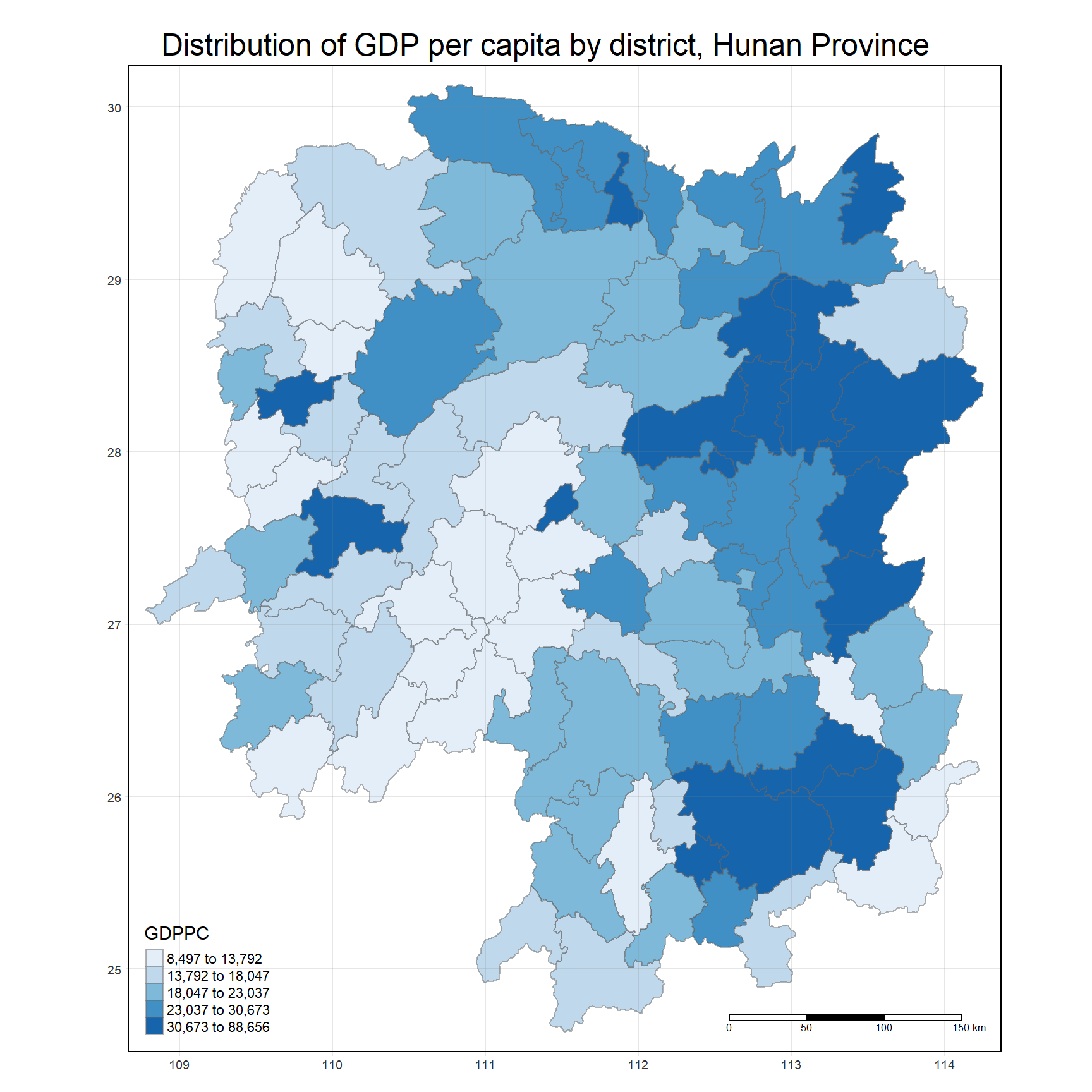
A choropleth map is a type of thematic map in which areas are shaded or patterned in proportion to a statistical variable that represents an aggregate summary of a geographic characteristic…
Magdalene Chan
Nov 17, 2023

2a: Spatial Weights and Applications
Spatial weights (Wij) are a way to define spatial neighbourhoods.
Magdalene Chan
Nov 18, 2023

2b: Measures of Spatial Autocorrelation
Spatial autocorrelation is the term used to describe the presence of systematic spatial variation in a variable. Where there is positive (high) spatial autocorrelation…
Magdalene Chan
Nov 22, 2023

3: Processing and Visualising Flow Data
Spatial interaction represents the flow of people, material, or information between locations in geographical…
Magdalene Chan
Dec 2, 2023
No matching items

In Class Exercise

 
1: Urban Mobility Analysis
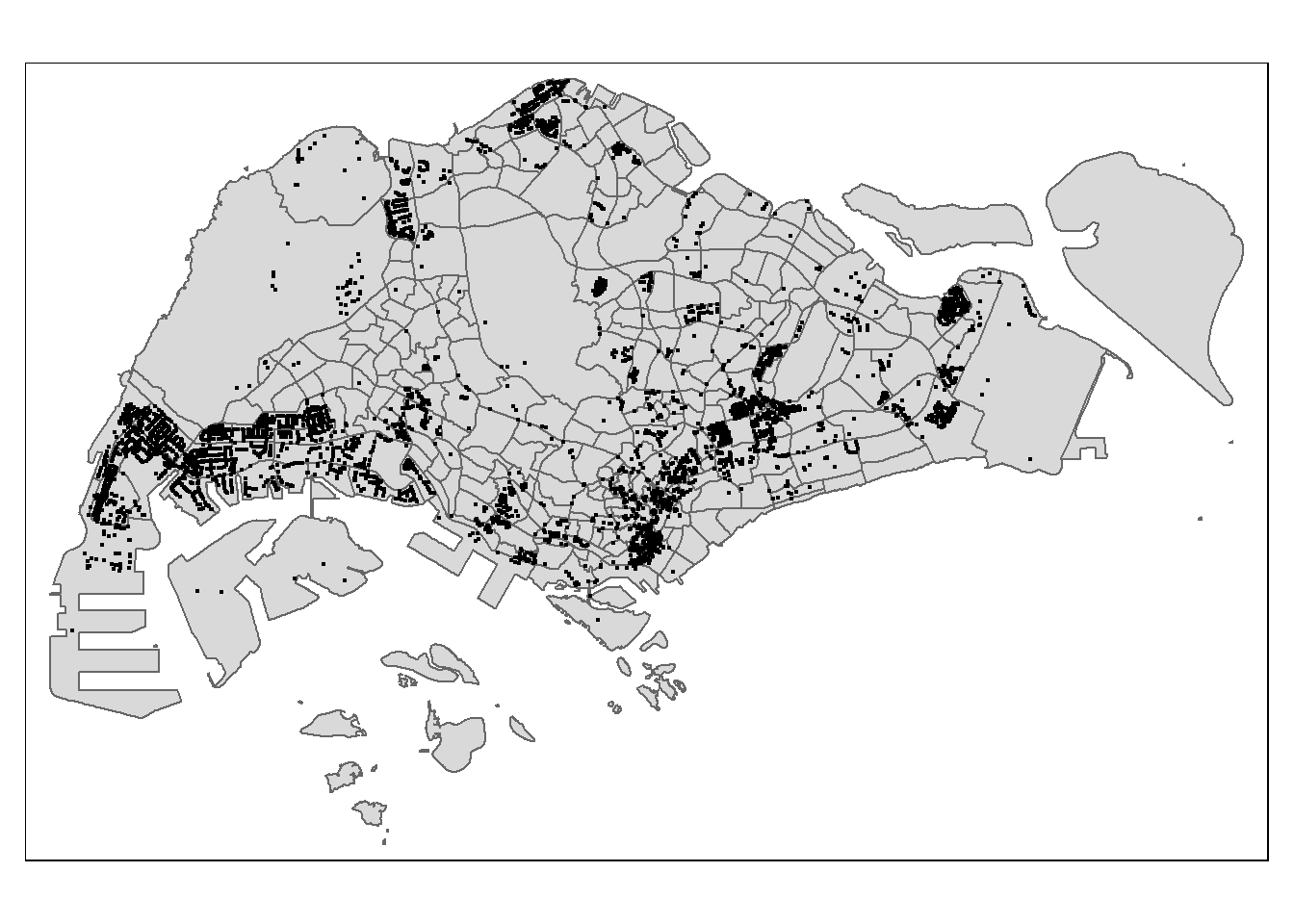
Urban Mobility analysis by using passenger volume by origin-destination bus stops.
Magdalene Chan
Nov 18, 2023

2: Spatial Weights, GLSA & EHSA
The code chunk below uses p_load() of pacman package to check if the required packages have been installed on the computer. If they are, the packages will be launched.
Magdalene Chan
Nov 25, 2023

3: Spatial Interaction Models
Spatial interaction represents the flow of people, material, or information between locations in geographical space.
Magdalene Chan
Dec 2, 2023

4a: Geocoding
The code chunk below uses p_load() of pacman package to…
Magdalene Chan
Dec 9, 2023
 
4b: Calibrating Spatial Interaction Models with R
The code chunk below uses p_load() of pacman package to…
Magdalene Chan
Dec 9, 2023

5: Spatial Econometric Interaction Model
The key packages to be used in this exercise are:
Magdalene Chan
Dec 16, 2023
No matching items

Take Home Exercise

 
1: Geospatial Analytics for Public Good
As city-wide urban infrastructures become increasingly digital, datasets from technologies like GPS and RFID on vehicles offer opportunities to track movement patterns over…
Magdalene Chan
Nov 25, 2023

2: Applied Spatial Interaction Models - Case study of Singapore public bus commuter flows
Traditionally, commuter surveys are used by transport operators and urban managers to uncover insights related to urban mobility challenges. However, commuter surveys are…
Magdalene Chan
Dec 11, 2023
No matching items

Layout customised from Real World Data Science